

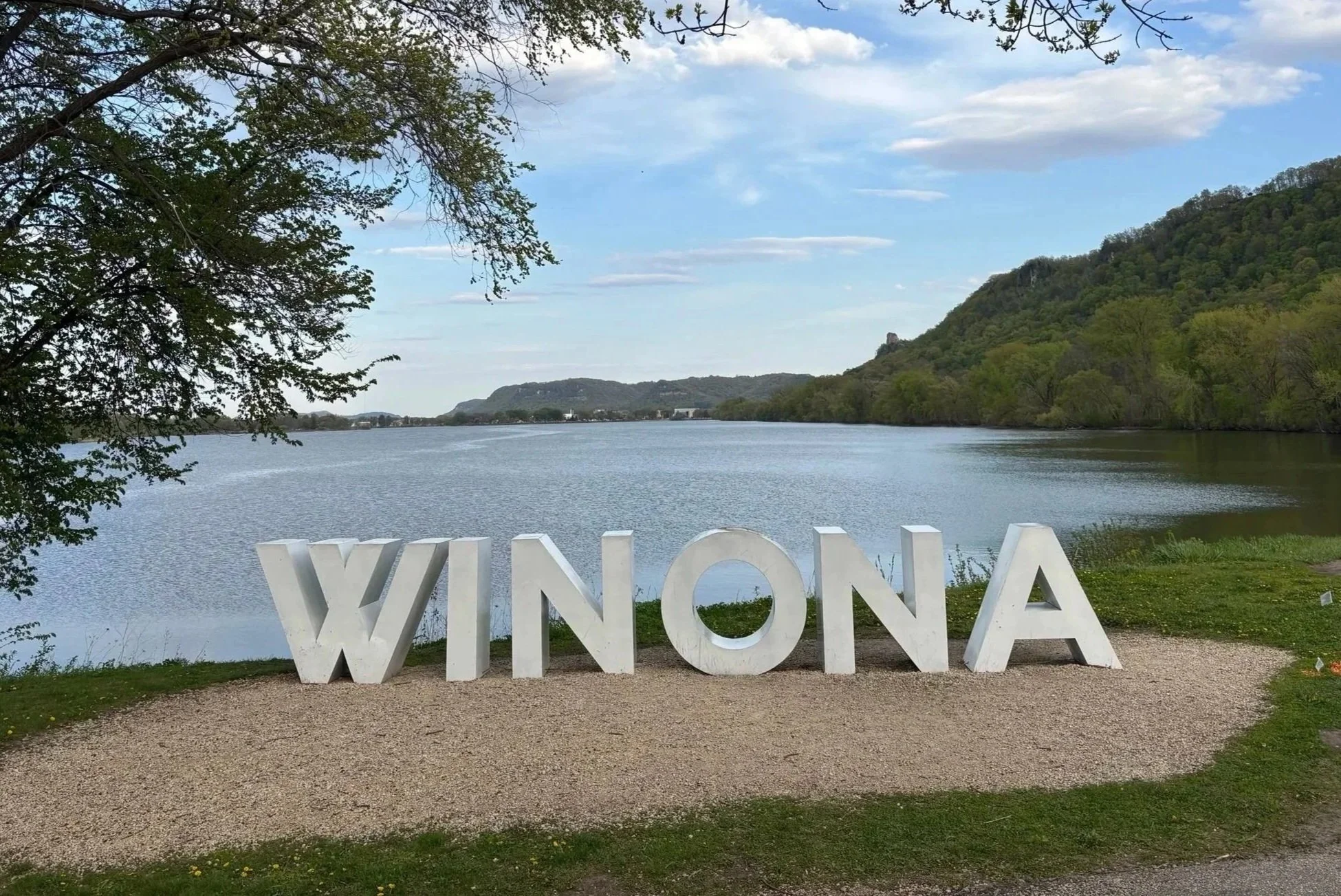
Living in Winona, MN: A Guide to One of the Midwest's Great River Cities
Why People Move to Winona, MN
Some cities make sense on paper. Winona makes sense in the bones.
Tucked between limestone bluffs and the broad, unhurried waters of the Mississippi, Winona is the kind of place that people discover by accident and choose deliberately. It has the architectural bones of a 19th-century boomtown, the cultural energy of a college town, and the breathing room that most American cities quietly surrendered decades ago. If you're weighing a move, whether you're leaving the Twin Cities, relocating from out of state, or simply looking for a place that still has some permanence to it, Winona deserves a serious look.
Winona’s Festivals & Events
Winona is known for hosting nationally recognized events, including:
These events draw thousands of visitors annually and showcase Winona’s vibrant arts and entertainment scene.
Historic Districts
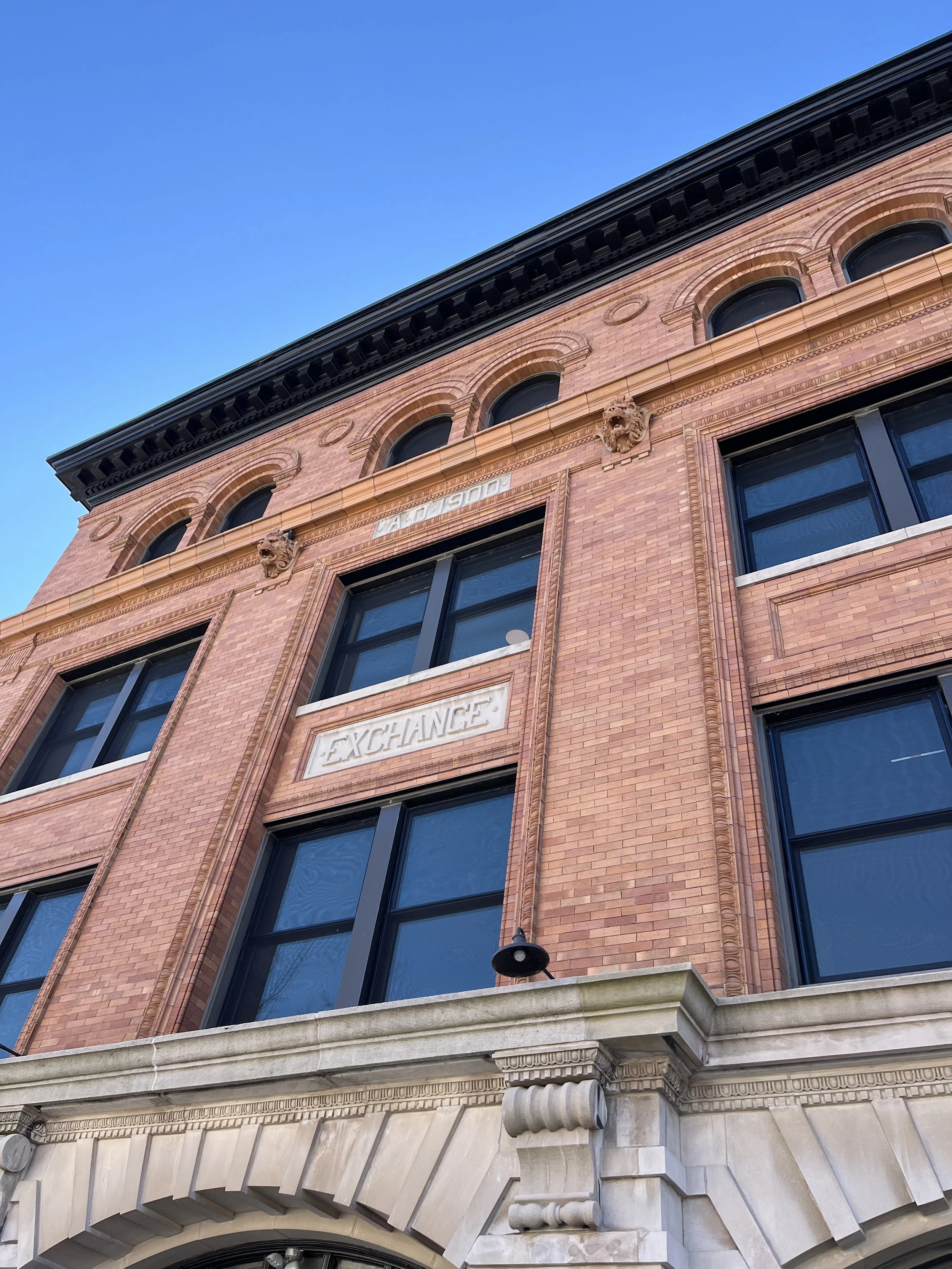
Winona Commercial Historic District (Third Street)
This is the commercial heart of the city, centered along Third Street between Franklin and Johnson Streets. It covers approximately 30 acres and includes over 90 buildings, 65 of which are considered "contributing" to the historic designation. The district is characterized by Italianate and Queen Anne styles, primarily dating from the 1880s and 1890s. High-quality masonry, ornate brick corbelling, and original storefront rhythms characterize the streetscape. Notable Properties include: Choate Department Store (1881), a Romanesque Revival gem featuring expansive windows and unique terracotta sculptures of grain, which reflect the region's agricultural roots. Anger’s Block (1872): One of the oldest standing commercial buildings in the central business district.
East Second Street Commercial Historic District
Located just a block north of the Third Street district, this area represents the city’s original commercial center closer to the river and rail lines. Scale: A smaller, more concentrated district of two blocks containing 21 buildings. Similar to Third Street, it features late-19th-century brick and stone buildings, many in the Italianate style. Notable Properties include: Kirch/Latsch Building (ca. 1868): Known for its Gothic-shaped stone lintels and intricate brick relief work. Winona & St. Peter Railroad Freighthouse: Highlights the district's historical significance as a major transportation hub.
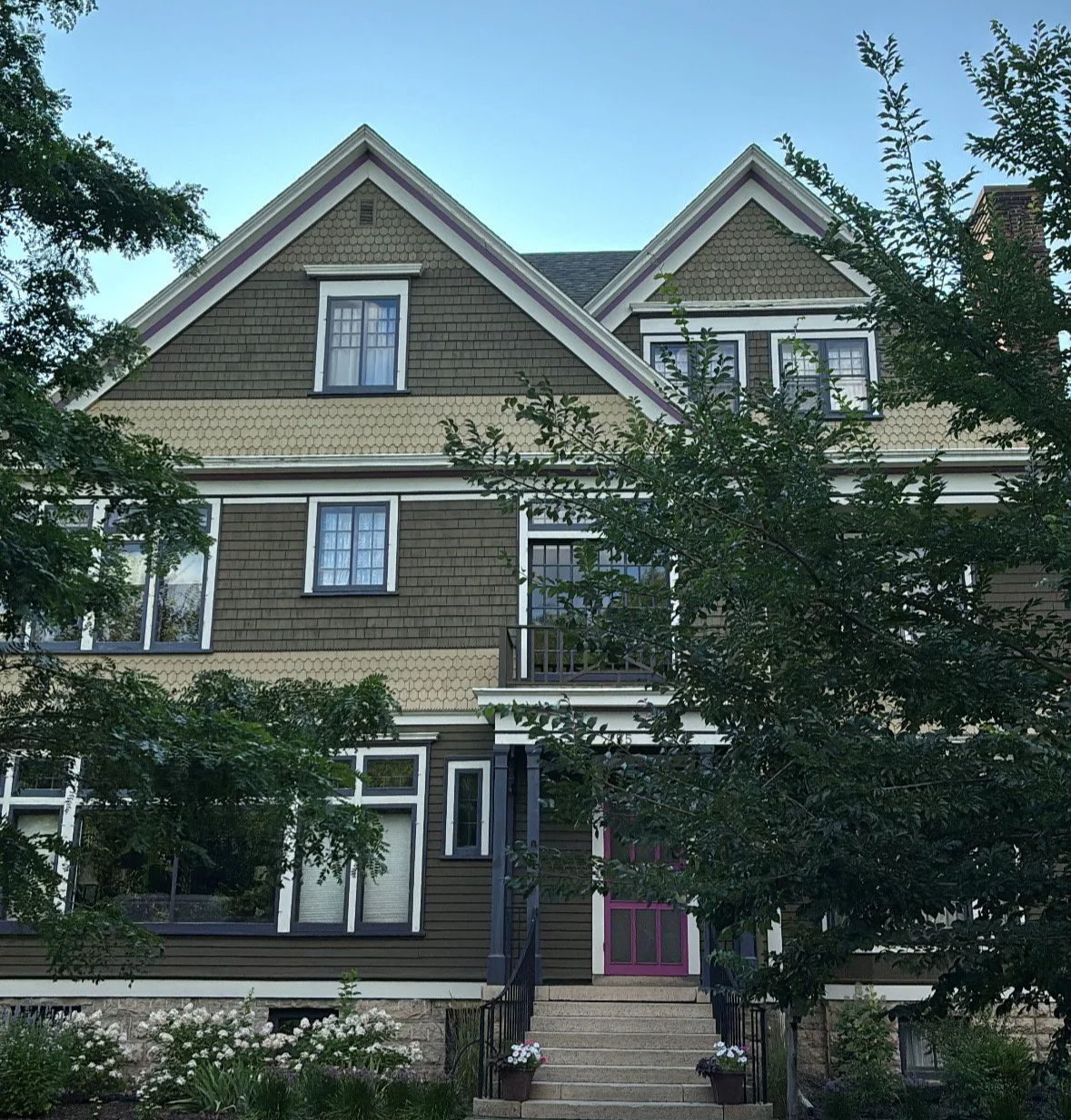
Windom Park Residential Historic District
Moving away from the commercial core, this district centers around Windom Park and showcases the city's residential growth during its peak prosperity. It offers a stark contrast to the dense commercial districts, featuring large, stately homes on generous lots. You will find a diverse array of high-style residential architecture, including Classical Revival, Queen Anne, and Prairie School designs. The district reflects the wealth generated by the lumber and rail industries that once dominated Winona.
Schools & Colleges in Winona
Education is one of the strongest pillars of Winona's appeal for relocating families.
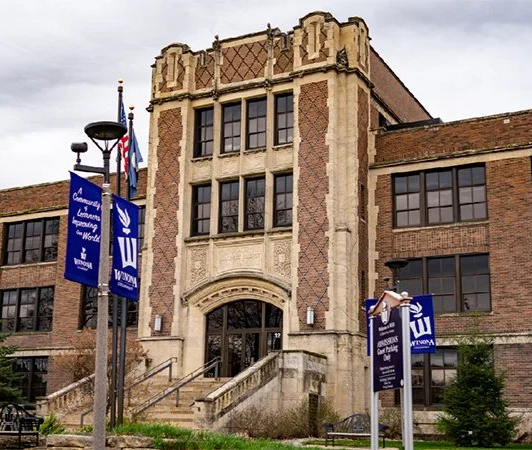
The Winona has options for kids of all ages. The Winona Public Schools district serves K–12 students across multiple schools, with Winona Senior High School offering a full range of academic, arts, and athletic programming. There are also private schools such as Cotter, Bluffview Montessori, and Hope Lutheran.
At the higher education level, Winona punches well above its weight class. Winona State University, Saint Mary's University, and Minnesota State College Southeast collectively enroll thousands of students annually, creating a permanent intellectual and cultural current that flows through the entire city. For families with college-aged children or for professionals who value access to continuing education and community enrichment, that presence matters.
Getting Here & Getting Around
Winona is more connected than its size might suggest.
The city sits along U.S. Highway 61 on the Great River Road, with direct Interstate access via I-90 a short drive south. La Crosse, Wisconsin, is approximately 45 minutes east and offers a regional airport with connections to major hubs. Rochester, Minnesota, home to Mayo Clinic and a major regional employment center, is about an hour northwest. The Twin Cities and MSP International Airport are approximately 2.5 hours northwest.
For daily life within the city, Winona is remarkably walkable by Midwestern small-city standards. The downtown core, riverfront, parks, colleges, and most major amenities are accessible without a second vehicle. That's an underrated quality-of-life factor that rarely shows up in cost-of-living calculators.
Whether you're relocating from across the state or across the country, buying a historic home in Winona is a different experience than a typical real estate transaction, and it deserves a different kind of Realtor.
Aaron Perleberg is an Old Home Certified Realtor and member of the Winona Heritage Preservation Commission. He knows these streets, these buildings, and these neighborhoods not just as a real estate professional, but as someone who has spent years documenting and advocating for the architectural character that makes Winona worth moving to in the first place.
If you're serious about Winona, let's talk.
Ready to Find Your Place in Winona?

Aaron Perleberg
507.383.4764