

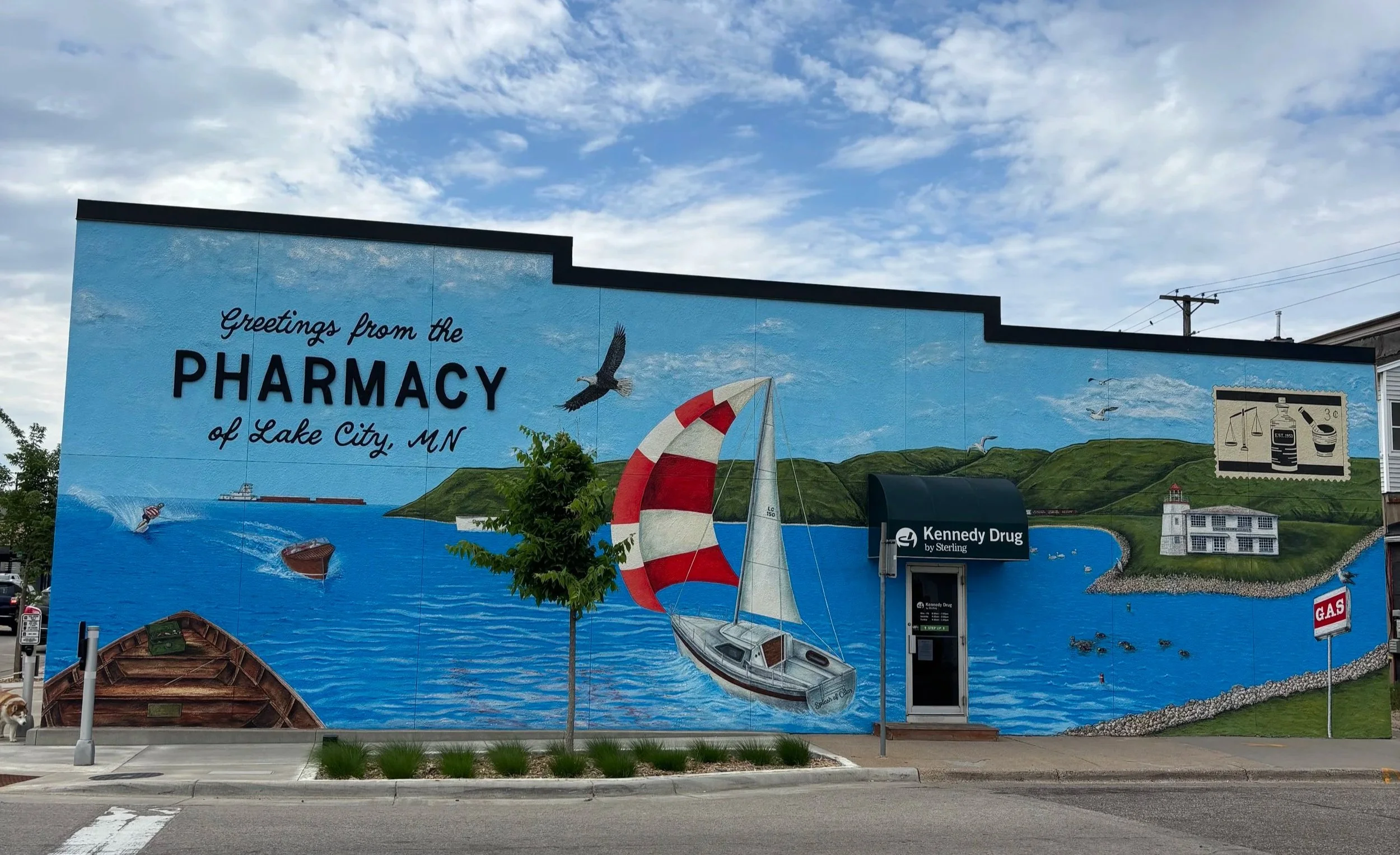
Living in Lake City, MN: A Guide to a Great City Along the River
Some places earn their name. Lake City earns its character.
Perched on the western shore of Lake Pepin, the widest natural lake on the Mississippi River, Lake City is the kind of place that stops people in their tracks and then quietly refuses to let go. It has the architectural depth of a 19th-century river town, a natural setting that borders on theatrical, and a pace of life that most American cities quietly surrendered a generation ago. If you're weighing a move, whether you're leaving Rochester, escaping the Twin Cities, or looking for a place with genuine roots, Lake City deserves a serious look.
There's a reason the Dictionary of the Upper Mississippi Valley called it the "City of Homes" back in 1895. Walk the residential streets today, and you'll understand why that title stuck.
Lake City Festivals & Events
Lake City punches well above its weight class when it comes to community events. The calendar runs nearly year-round.
Water Ski Days: Lake City's signature summer celebration, held annually in late June. The birthplace of waterskiing doesn't celebrate that legacy quietly. Three days of lakeside music, exhibitions, a street carnival, and a parade.
Tour de Pepin is recognized by Minnesota Trails Magazine as one of the Midwest's most unique cycling tours and was named Best Annual Bike Ride by CBS WCCO. The scenery alone makes it worth the drive.
Johnny Appleseed Day: A downtown block party each October featuring live music, a beer and cider festival, and dozens of local artists. Part of five full weeks of fall programming.
Lake Pepin Ice Fishing Derby: A wintertime tradition on the ice, with fishing contests, food, and community warmth to offset the temperatures.
Sailing for Leukemia: While private charters are available, this great event allows you to try out crewing for a great cause. For a recommended donation of $25 per person, you can go sailing on beautiful Lake Pepin for an hour and a half. All proceeds benefit the Leukemia and Lymphoma Society of America.
Historic Districts
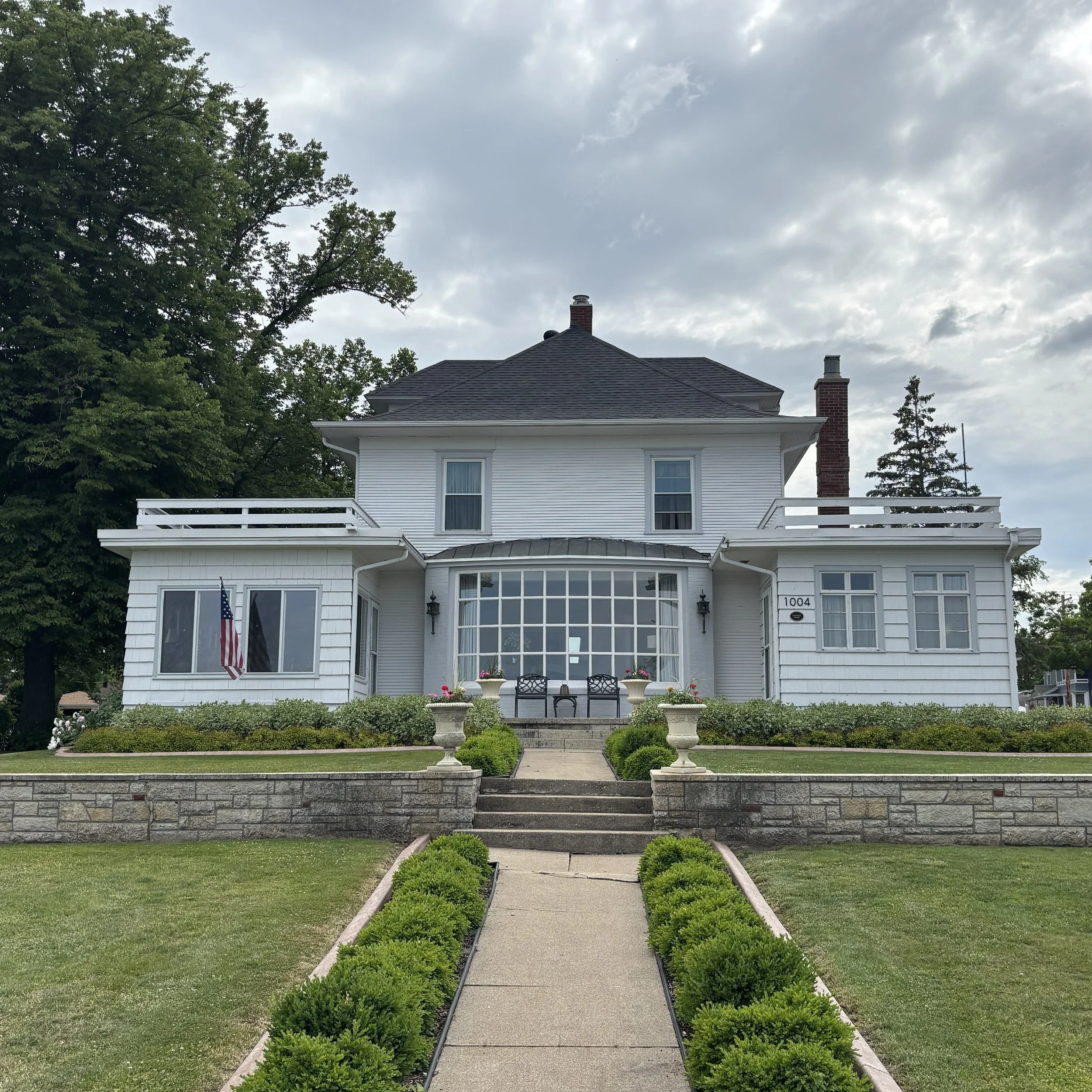
Lake City Historic District
Lake City holds one of the finest collections of Greek Revival and Gothic-style residential architecture in Minnesota, a distinction earned by its position as a transitional point between older eastern communities and the newer towns of the upper Midwest. That geography shaped the building stock in ways that are still visible block by block.
The Oak Street Corridor. The residential spine of historic Lake City, Oak Street, is home to two of the city's three National Register of Historic Places properties. The James C. and Agnes M. Stout House (1872) is a rare surviving example of Carpenter Gothic, a style that brought the ornament of church architecture into domestic life. A few doors away, the Williamson–Russell–Rahilly House (ca. 1868, remodeled 1910) illustrates exactly how great old homes evolve: built in the Greek Revival style, it was transformed into a Neoclassical showpiece four decades later without losing its bones. These two homes alone tell a century of architectural history.
East Second Street Commercial Historic District
Located just a block north of the Third Street district, this area represents the city’s original commercial center closer to the river and rail lines. Scale: A smaller, more concentrated district of two blocks containing 21 buildings. Similar to Third Street, it features late-19th-century brick-and-stone buildings, many in the Italianate style. Notable Properties include: Kirch/Latsch Building (ca. 1868): Known for its Gothic-shaped stone lintels and intricate brick relief work. Winona & St. Peter Railroad Freighthouse: Highlights the district's historical significance as a major transportation hub.
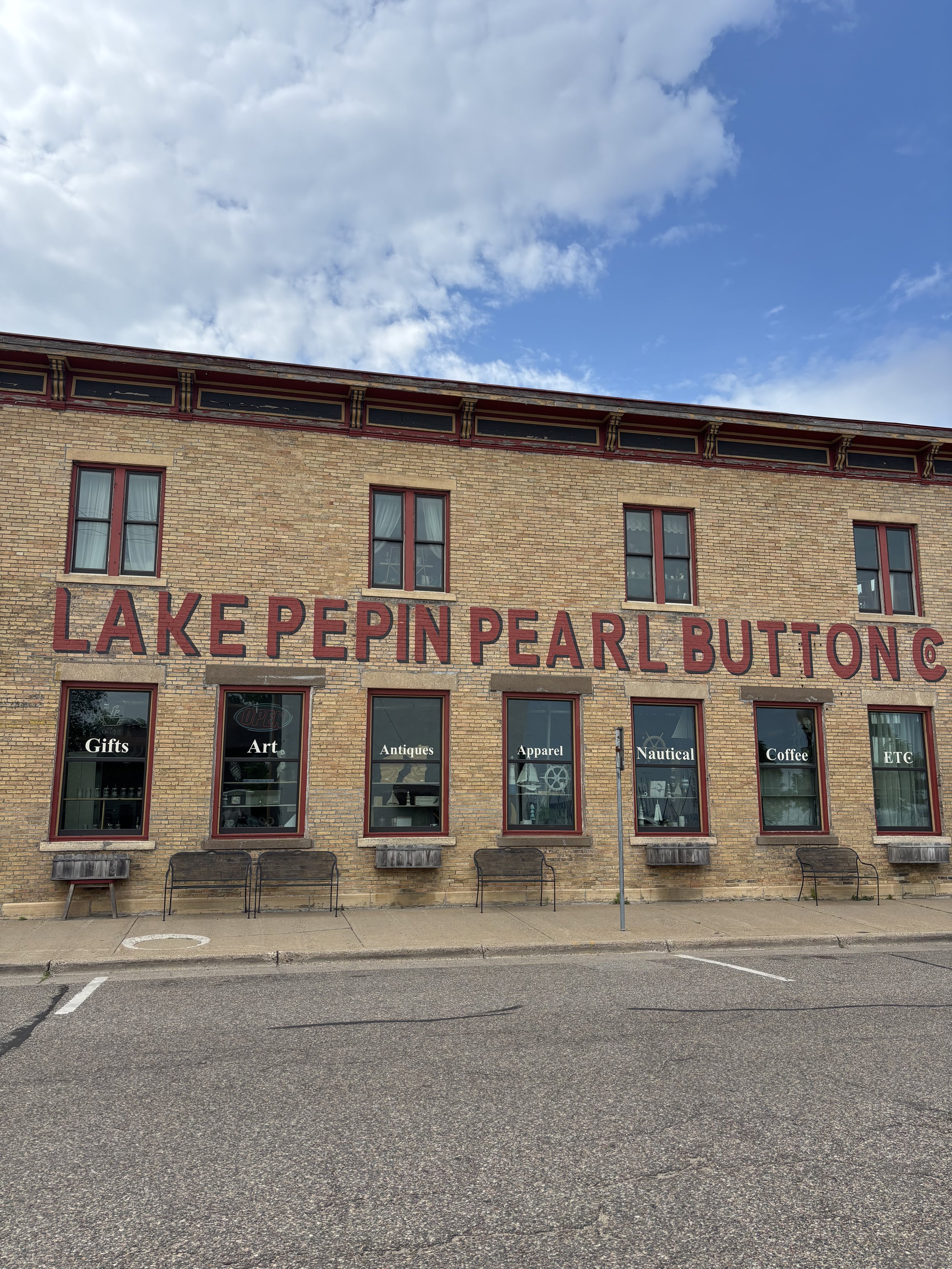
Downtown & Center Street The commercial and civic heart of Lake City anchors around the Lake City City Hall (1899), a Queen Anne/Romanesque Revival building listed on the National Register in 1981. Designed by architect E. Alexander and built by Robert White, it still serves as the seat of city government, and its second-floor ballroom now houses the Lake City Historical Society Museum. The streetscape around it reflects the confidence of a community that built for permanence.
Lake Pepin & Boating
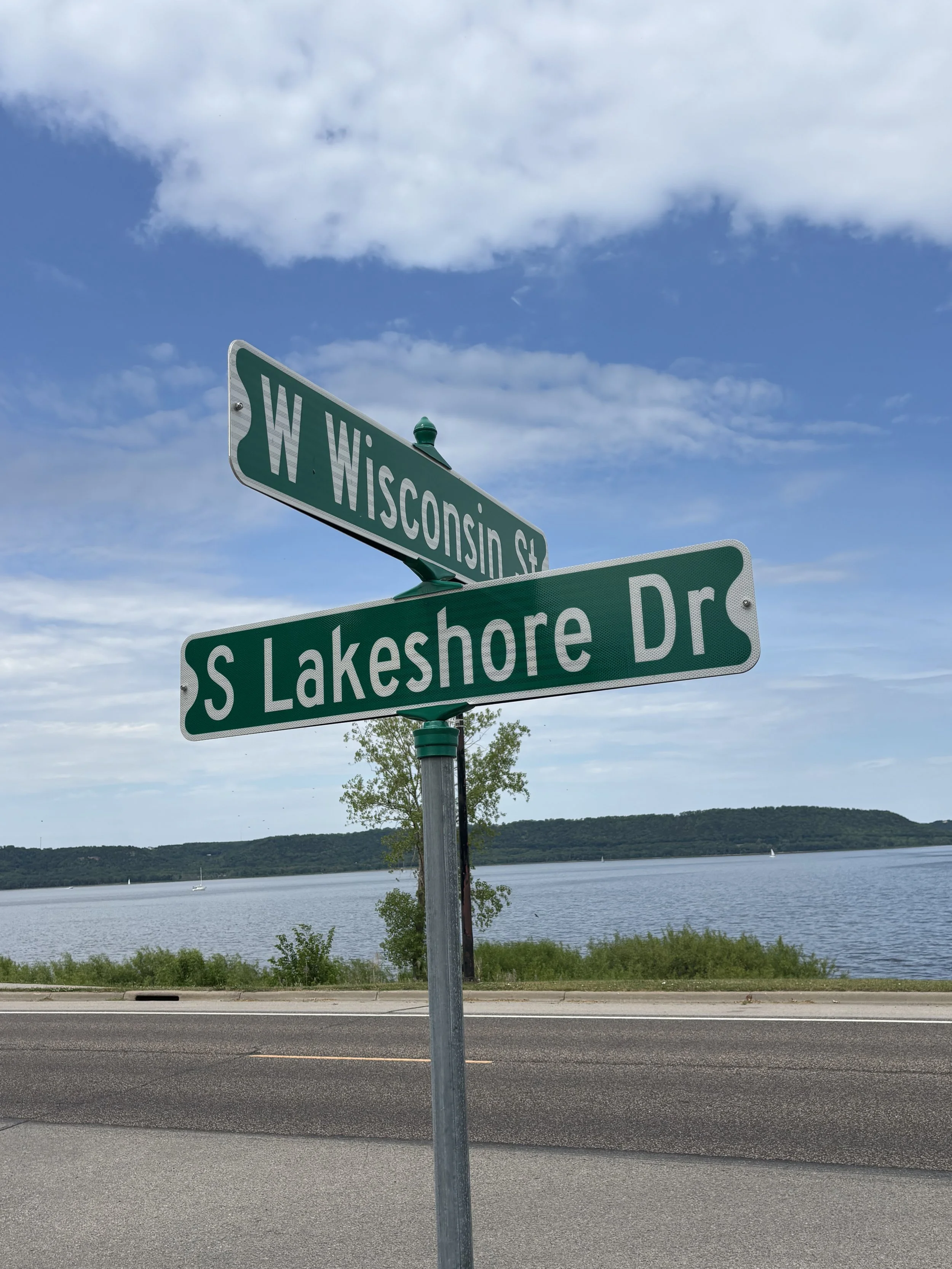
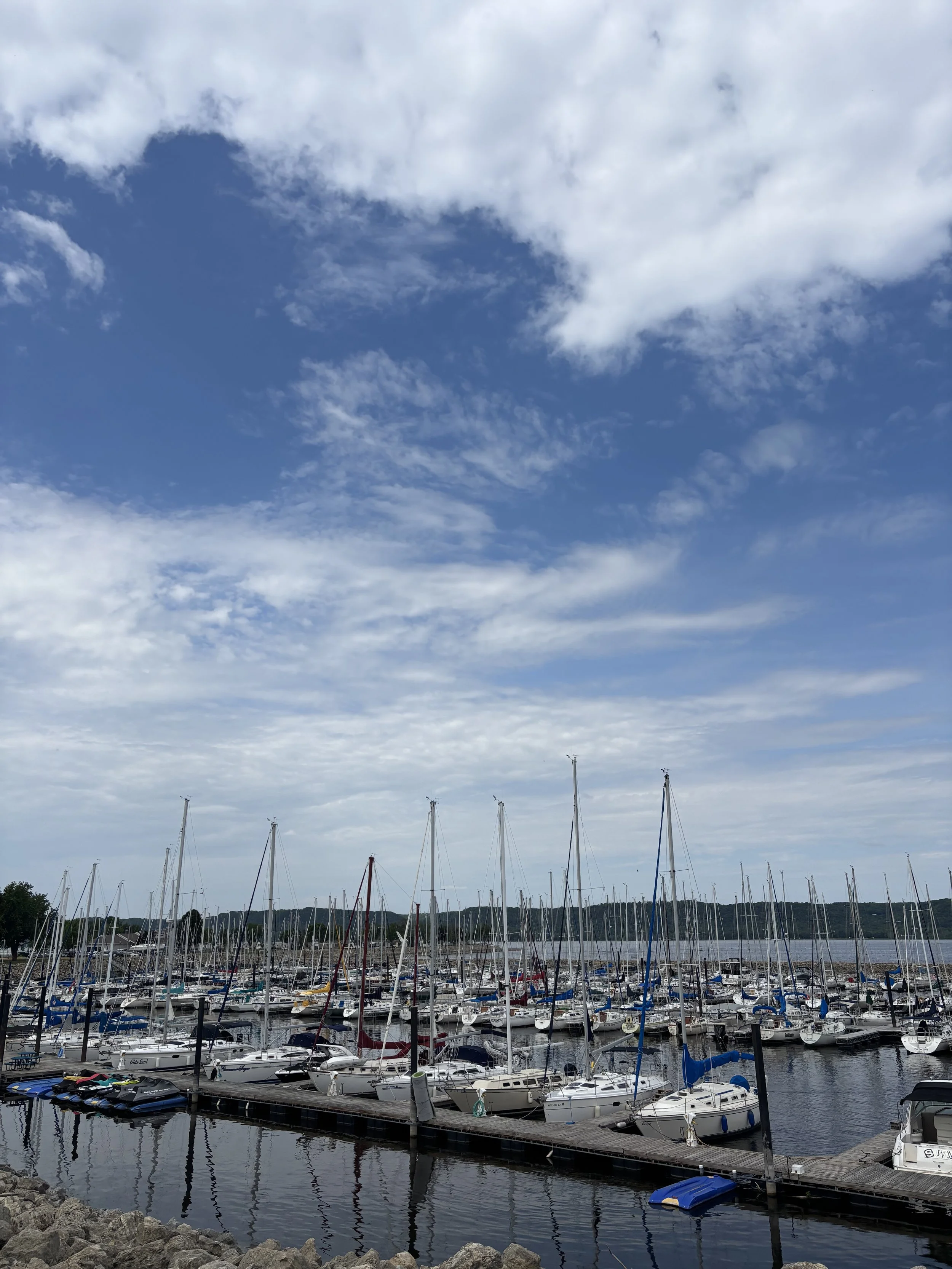
Lake Pepin is not a reservoir or a man-made recreation area; it's a natural widening of the Mississippi River, stretching roughly 22 miles long and up to 2.5 miles wide. That scale means genuine open water: enough fetch for sailing, enough depth for cruising, and enough shoreline to make every outing feel unhurried. The bluffs rising on both the Minnesota and Wisconsin sides give the lake a visual drama that's difficult to overstate.
The Lake City Marina is one of the largest and best-equipped public marinas on the Mississippi, with hundreds of slips, fuel, pump-out services, and easy access to the main channel. Whether you're trailering a fishing boat, keeping a sailboat on a seasonal slip, or arriving by water from downriver, the infrastructure is there. The marina is managed by the city and sits right at the heart of the waterfront — walking distance from downtown.
Boating culture here runs deep. Lake City is the birthplace of waterskiing. The Lake City Yacht Club hosts regattas and sailing events throughout the summer, and Lake Pepin's reliable winds make it a genuine sailing destination for the region.
For anyone considering a move to Lake City, the waterfront isn't just an amenity — it's a way of life that comes standard with the address.
Getting Here & Getting Around
Lake City is more connected than its size might suggest.
Lake City's location is one of its quiet advantages. The city sits on U.S. Highway 61 — the Great River Road, offering one of the most scenic drives in the upper Midwest as your daily backdrop.
Rochester, MN, home to Mayo Clinic and a major regional employment and medical hub, is approximately 34 miles west, about 40 minutes. Minneapolis/St. Paul is roughly 68 miles northwest, typically a bit over an hour's drive. La Crosse, Wisconsin, is about 90 minutes southeast, with a regional airport offering connections to major hubs.
For daily life within the city itself, Lake City is genuinely walkable by small-town Minnesota standards. The downtown, lakefront, marina, parks, and most amenities are accessible without a second vehicle — a quality-of-life factor that doesn't show up in any spreadsheet but matters every day.
Whether you're relocating from across the region or across the country, buying a historic home in Lake City is a different experience than a typical real estate transaction, and it deserves a different kind of Realtor.
Aaron Perleberg is an Old Home Certified Realtor and member of the Winona Heritage Preservation Commission. He knows these river towns, these building styles, and these neighborhoods not just as a real estate professional, but as someone who has spent years documenting and advocating for the architectural character that makes places like Lake City worth moving to in the first place.
If you're serious about Lake City, let's talk. If you're serious about Winona, let's talk.
Ready to Find Your Place in Lake City?

Aaron Perleberg, Realtor
507.383.4764